





Fermentation and Drying of the Cacao Bean
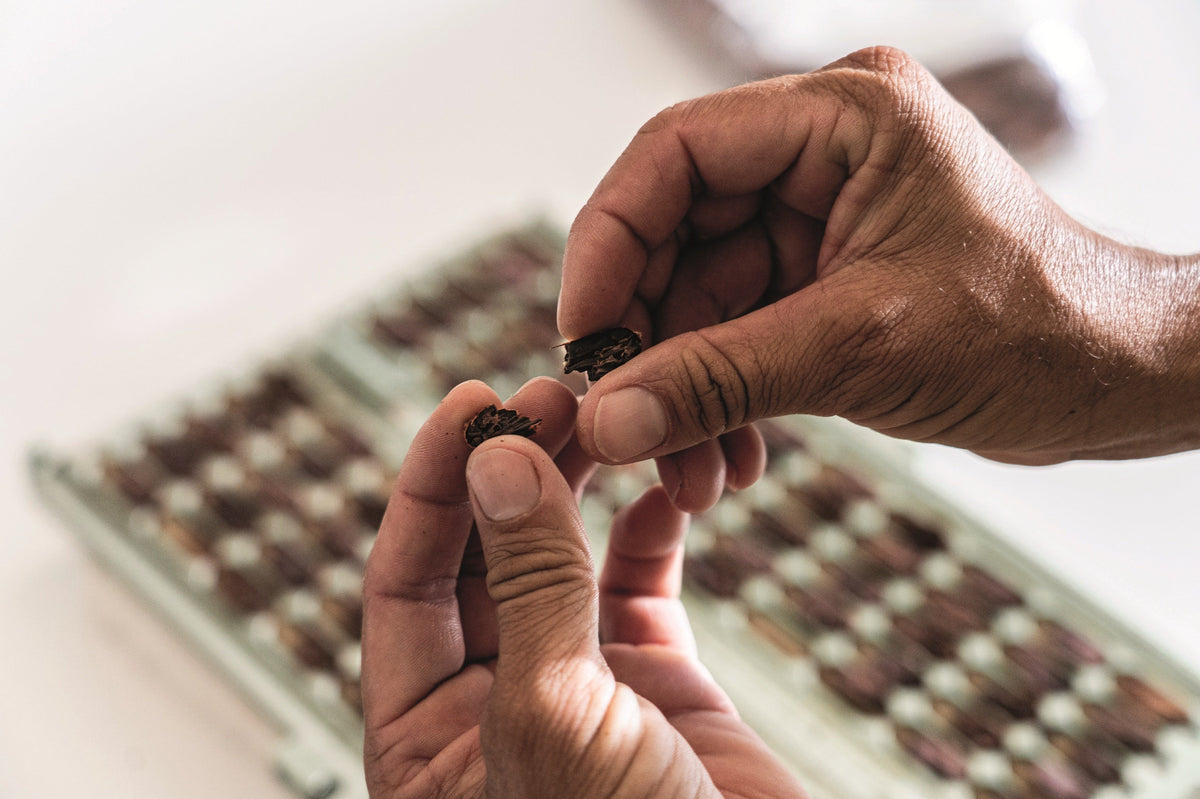
After harvesting, it is decided how a cacao bean will taste later on. In four to six days of fermentation, aroma precursors are formed; drying makes the bean stable and suitable for transport. Both...
How chocolate gets its melt through conching
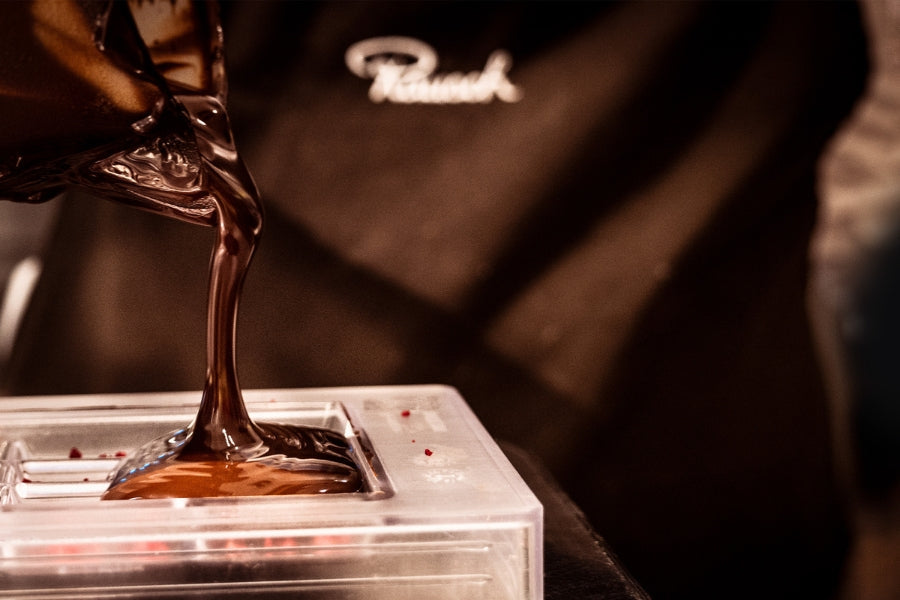
Freshly mixed and refined chocolate mass is still rough and may have tangy notes. Only during conching does it develop its smooth texture and balanced aroma. By moving, aerating and heating it for ...
How roasting shapes cocoa aroma
When roasted, the cocoa bean develops the aromas that were previously present only as precursors. At around 125 °C, bitter notes are softened and the typical colour emerges. For fine flavour cocoa,...
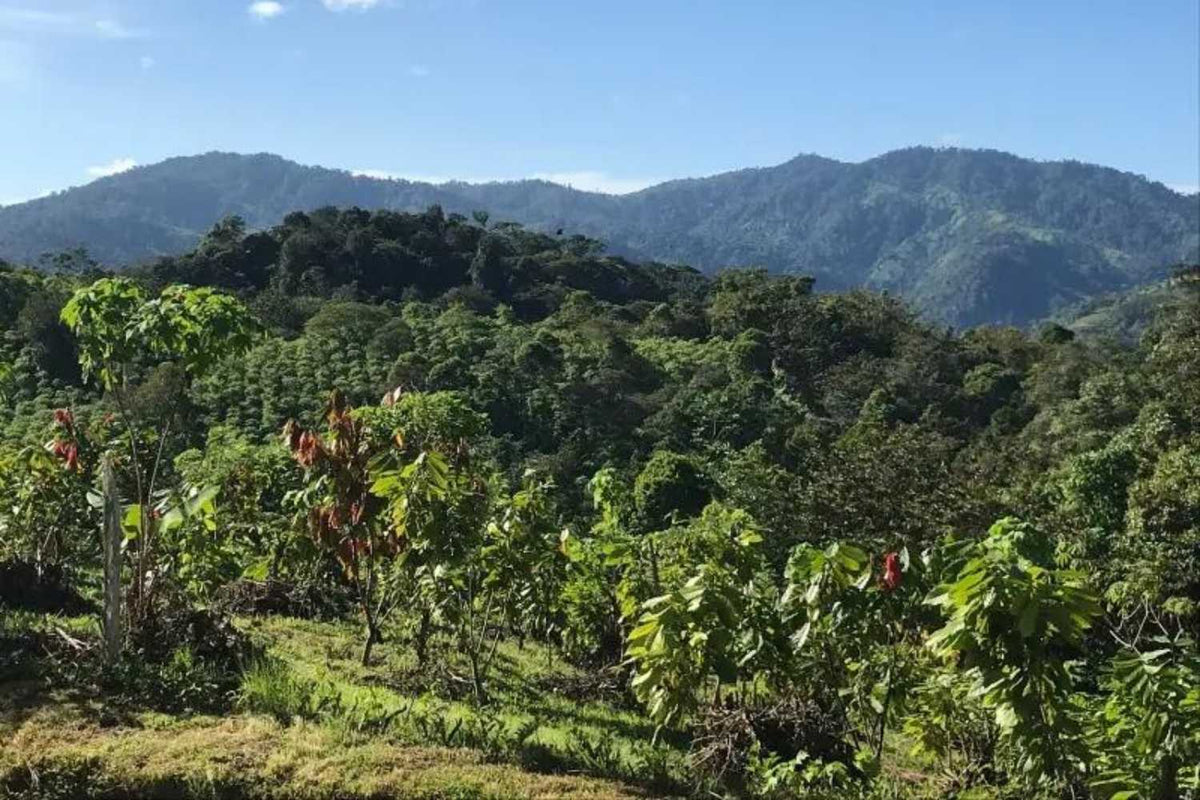
Cocoa is more than an ingredient – it is an expression of its origin. Anyone tasting fine flavour cocoa experiences not just flavour, but a landscape. The so-called terroir shapes the aroma from ro...
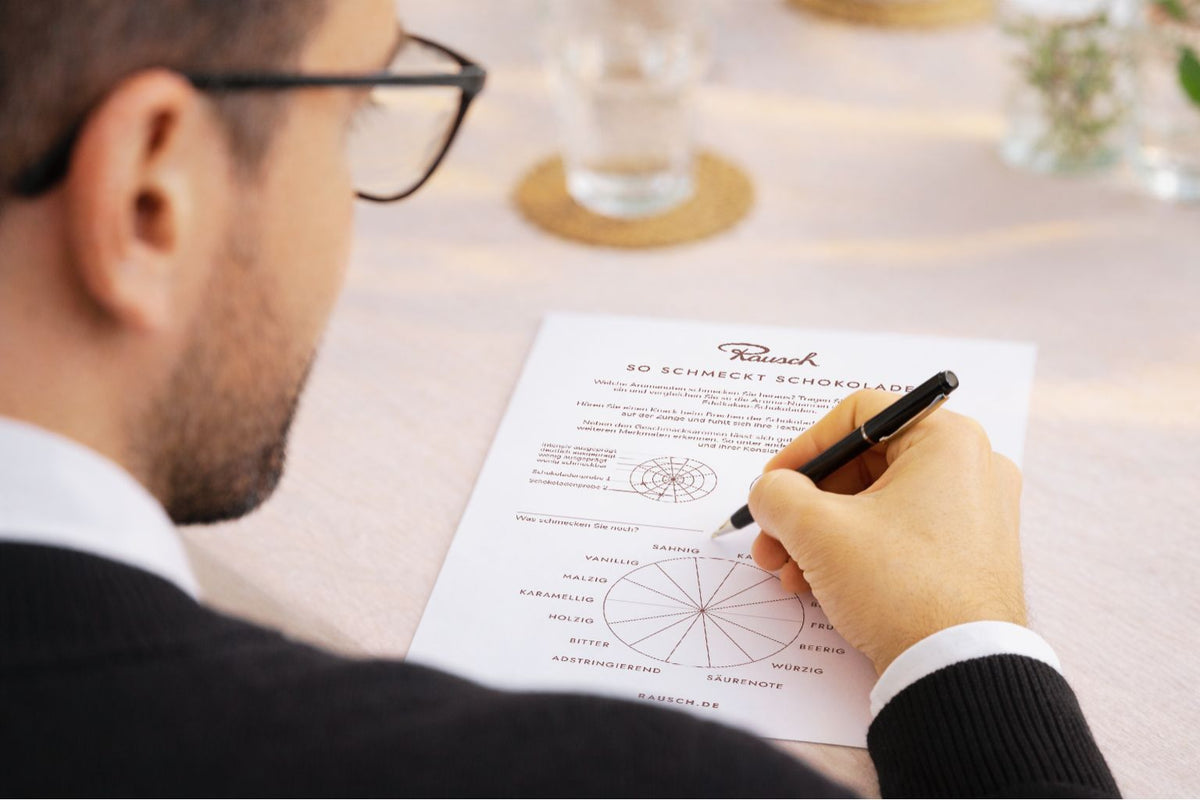
The aroma wheel and how to compare chocolate flavour profiles
Why does one single origin cocoa taste fruity and lively - another nutty and smooth? The aroma wheel makes subtle differences visible and opens up a new way of consciously discovering chocolate.
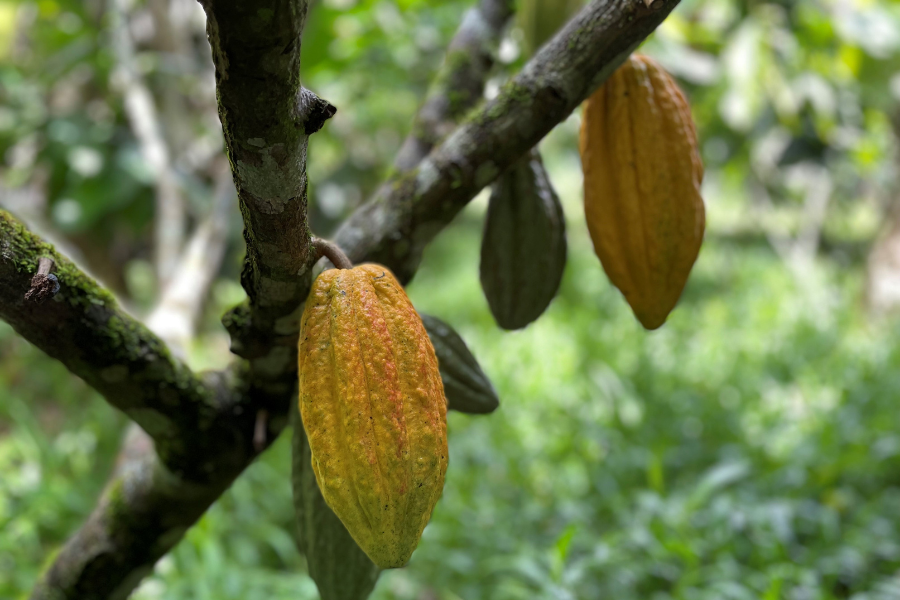
Where does the world’s best chocolate come from?
Where fine flavour cocoa develops its character Whether in a fine praline or a pure single-origin chocolate, chocolate’s character begins where the cocoa grows. Along the equator, different cocoa v...

How do chocolates made from fine flavour cocoa and consumer cocoa differ?
If you let a piece of chocolate melt in your mouth and suddenly perceive subtle notes of berries, nuts or flowers alongside the typical cocoa flavour, then it is most likely a chocolate made from f...